#521 JUST ONE SHOT, PART 2
FEATURING PHOTOGRAPHER GILES PENFOUND
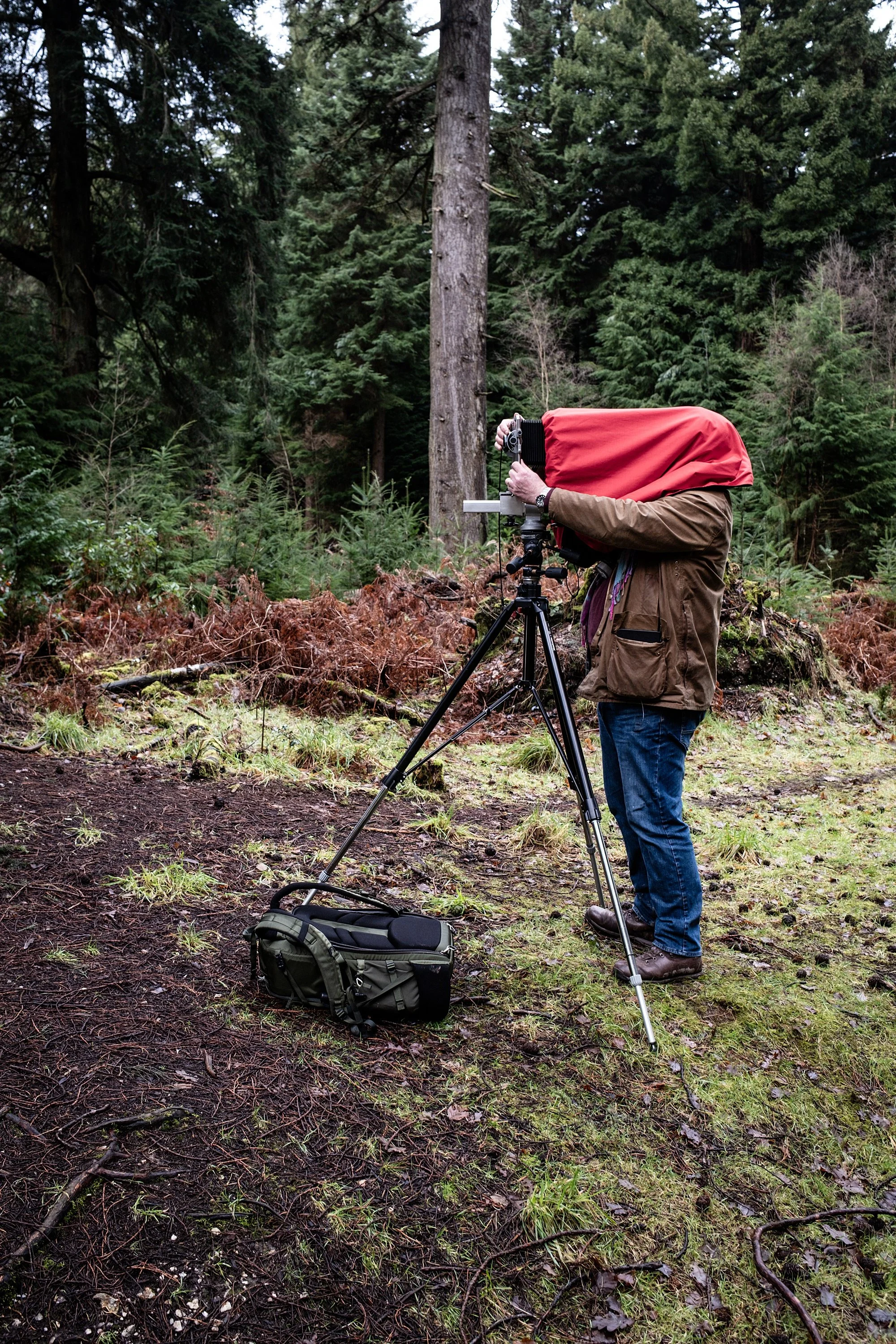
In this second part, former professional documentary photographer Giles Penfound and I are back at Penwood in Berkshire, England, to make one special single picture using 5x4, paying homage to the late Dennis Lee, an American community member who passed at the start of 2026.
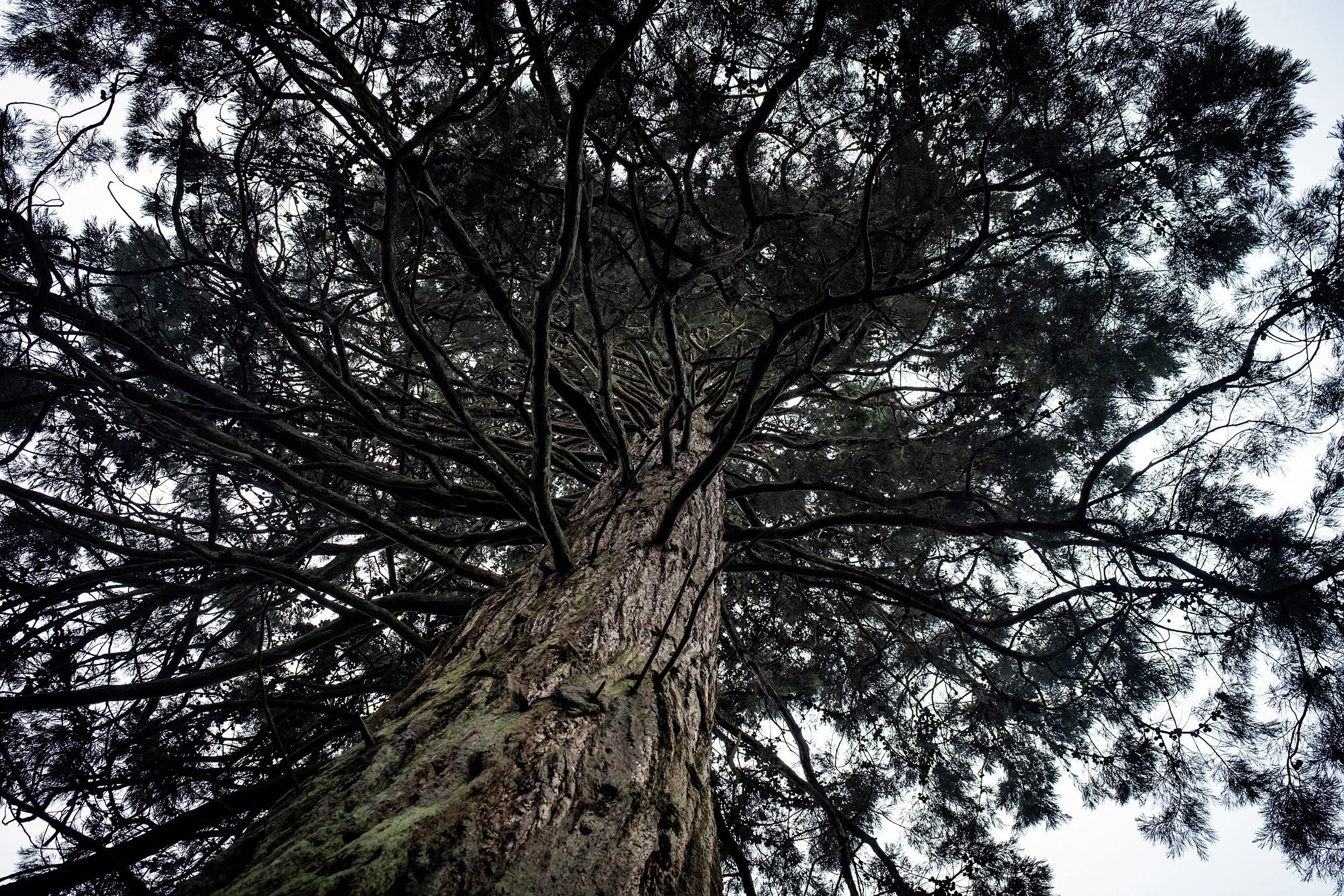
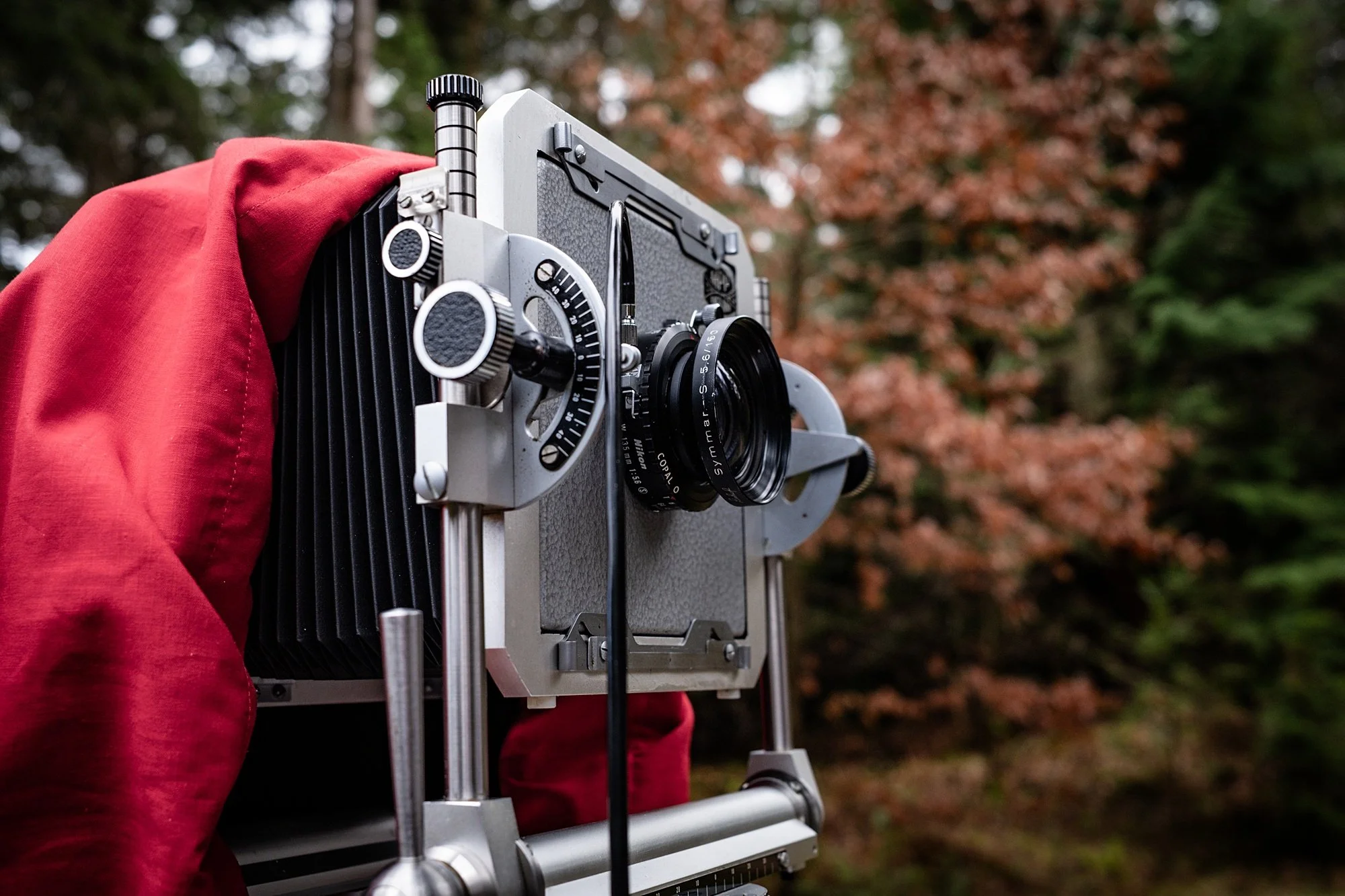
In this episode, you get to see what all of that waiting, all of that patience, actually produced. We reveal the finished photograph: the large-format portrait of a remarkable tree. We also pick up the conversation where we left it, talking more about what happens when you deliberately take your foot off the accelerator, not just as a photographer, but as a person moving through the world. Giles came from documentary work, where speed and instant story were everything, and watching him operate with a 5x4 plate camera in a quiet wood in Berkshire is about as far from that as you can get.
Email your stories, thoughts, and pictures to the show. If you can optimize/resize photos to 2,500 pixels wide, that’s always much appreciated. If you’d like to support this show and have access to further content and the midweek Extra Mile show, we’d welcome you as an EXTRA MILER. There’s also our thriving Facebook group, a safe place to meet and talk with photographers of all interests, the Photowalk YouTube channel, plus the show is featured on Instagram, VERO and X.
As well as our Extra Milers, we’re also supported by our friends at Arthelper.ai who make marketing easier, helps more people find your work, and keeps your voice true—so you can get back to what you love most: making art. Enter PHOTOWALK at checkout to receive 30 days of the pro version free.
PLEASE HELP TO BUILD OUR COMMUNITY BY SHARING THIS EPISODE TO YOUR FAVOURITE SOCIAL PLATFORMS
LEARN:
MORE ABOUT names, words, THE MUSIC and places FROM TODAY’S SHOW
Join us on the Black Isle near Inverness, for the Scotland ‘26 retreat, staying on a working soft-fruit farm with Highland views. The retreat includes small creative workshops, from photogravure printing to sound and writing sessions, plus plenty of time to walk, talk and make photographs together.
Dennis Lee was a New York photographer, a former press photographer who spent years documenting the world of high steel; bridge construction, ironworkers, the industrial fabric of the city at height and close range.
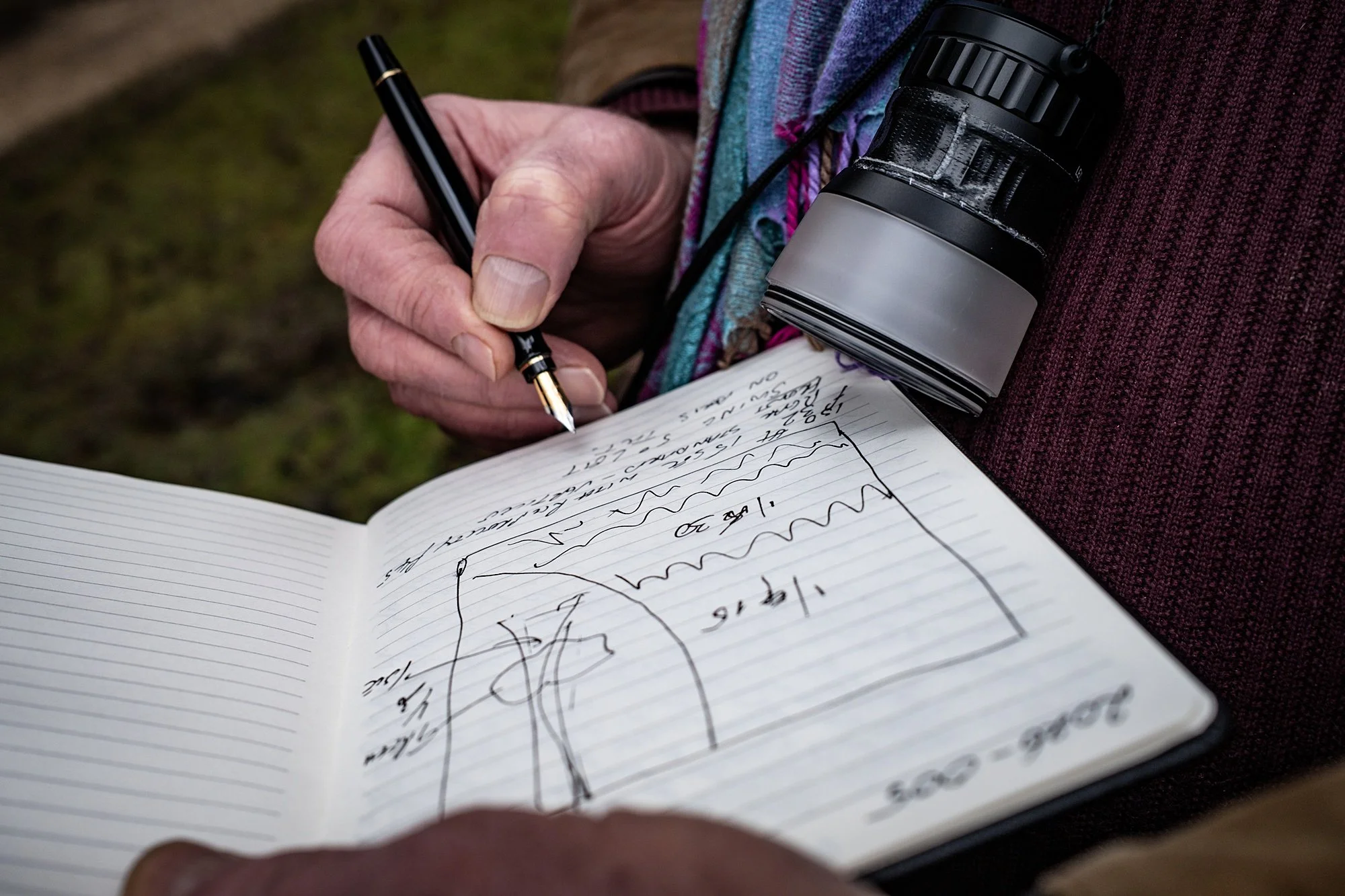
Reciprocity failure occurs when film stops behaving as it should at very long or very short exposures. The sensitivity rating, your ISO, assumes a normal range of light hitting the film for a normal amount of time. Push that exposure out to several seconds or more, and the chemistry starts to lag behind. You end up with underexposed negatives even though the meter said you'd be fine, and colours in slide film can go genuinely strange. It's one of those things that separates film photography from digital in a very real, practical way — there's no sensor compensation happening, just chemistry doing its best under difficult conditions.
Intrepid Camera was founded in Brighton in 2014 by a University of Sussex product design student, Maxim Grew, who started the whole thing in a garage with a straightforward idea: make large-format photography affordable for people who'd been put off by the price or intimidated by it. The cameras are built from wood, aluminium, and 3D-printed components, assembled by hand, and they cover 4x5, 5x7, and 8x10 formats. For a lot of photographers, an Intrepid is their first experience of shooting large format film, and that was very much the point.
Lensbaby started in Portland, Oregon, in 2004 when photographer Craig Strong mounted a salvaged lens onto a length of shop-vac hose and took it to a wedding the next day. That improvised experiment became a company making lenses designed to produce selective focus, intentional blur, and optical effects that most manufacturers spend their careers trying to eliminate.
Tilt-shift refers to a type of lens, or lens movement, that lets you control the plane of focus and perspective in ways a standard lens simply won't allow. Tilt shifts the focal plane so you can have, say, a foreground and distant background both sharp while the middle falls off, or the reverse. Shift corrects converging verticals, which architects and building photographers have relied on for decades. The effects are optical, not digital, and that distinction matters to a lot of photographers who use them.
Liquid Light is a silver-based photographic emulsion made by Rockland Colloid that comes as a gel in a bottle. You warm it up in a water bath until it melts, then brush it onto almost any surface you like; wood, glass, fabric, stone, ceramic, and once it's dried, you expose and develop it just as you would a normal piece of photographic paper. Every application is slightly different, the brush marks stay visible, and no two prints come out identical, which for a lot of photographers is precisely the point.
MPP (Micro Precision Products) was a British camera manufacturer based in London, founded in 1941. Their first major product was the Micro Technical Camera in 1948, a 5x4 large format camera that was well ahead of anything else being made in Britain at the time. They were also the only postwar British manufacturer of twin-lens reflex cameras. The company produced cameras until 1982 and continued selling parts until it finally closed in 1989. Many MPP cameras are still in use today.
Linhof was founded in Munich in 1887 and is the world's oldest continuously operating camera manufacturer. They began by making camera shutters before moving into cameras. In 1934, Nikolaus Karpf designed the Technika, the world's first all-metal folding field camera, and revised versions of it are still in production today. Linhof cameras are handmade, built to extraordinarily tight tolerances, and are known for lasting decades without losing their precision. Many photographers still shoot with Technikas made in the 1950s and 60s.
Kelvin Brown’s flickr Photowalk inspired group - join by invite by clicking on to THIS LINK.
MUSIC LINKS: Roie Shpigler wrote today's playout song Tide. Music on the show is sourced primarily from Artlist and also features in Michael Brennan’s Spotify playlist GoFoto. For Apple Music users, follow this playlist.
CLICK LINKS FOR OFFERS AND SUPPORTERS


THE SHOWPAGE GALLERY
ONE SHOT
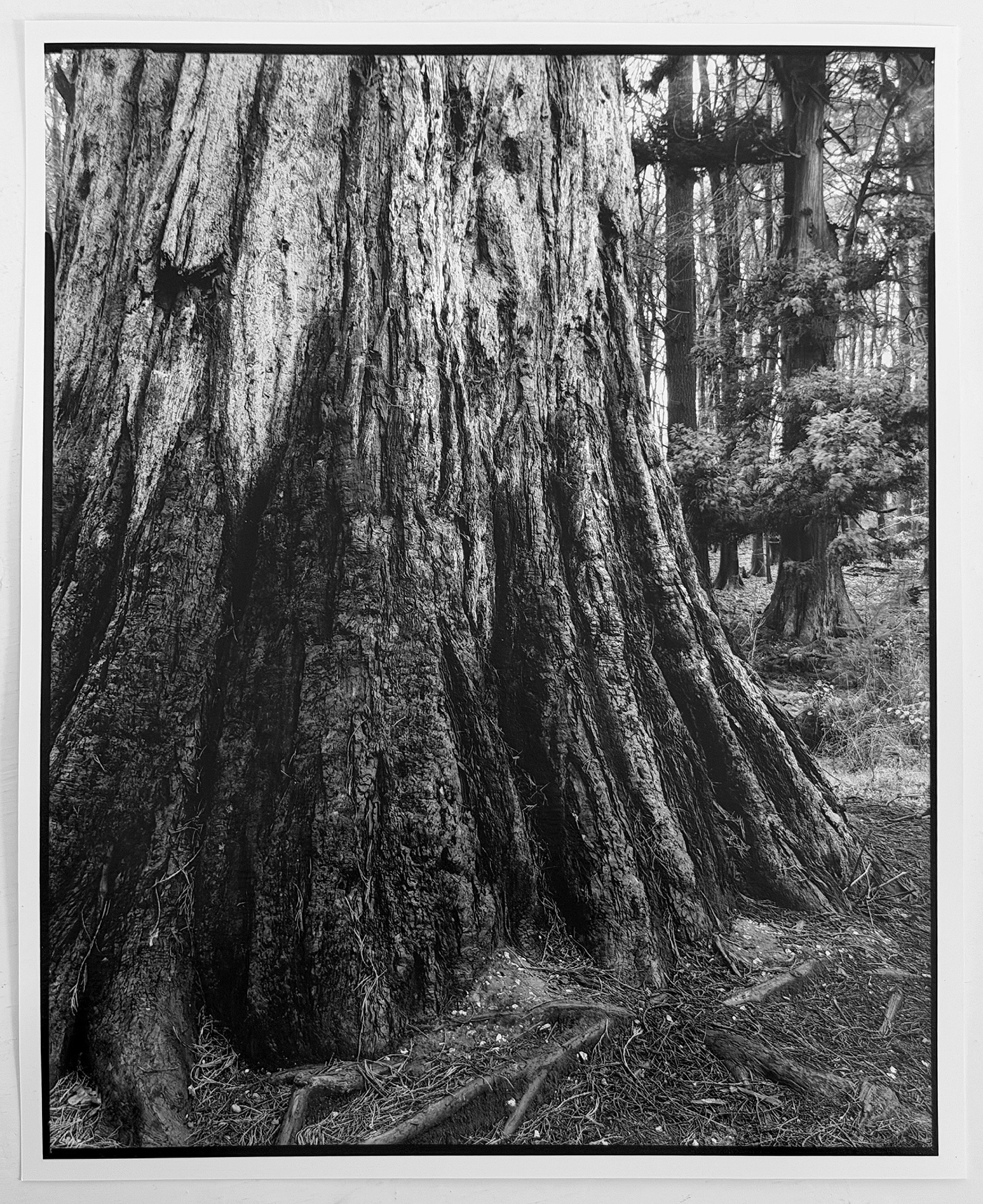
The final ONE SHOT.
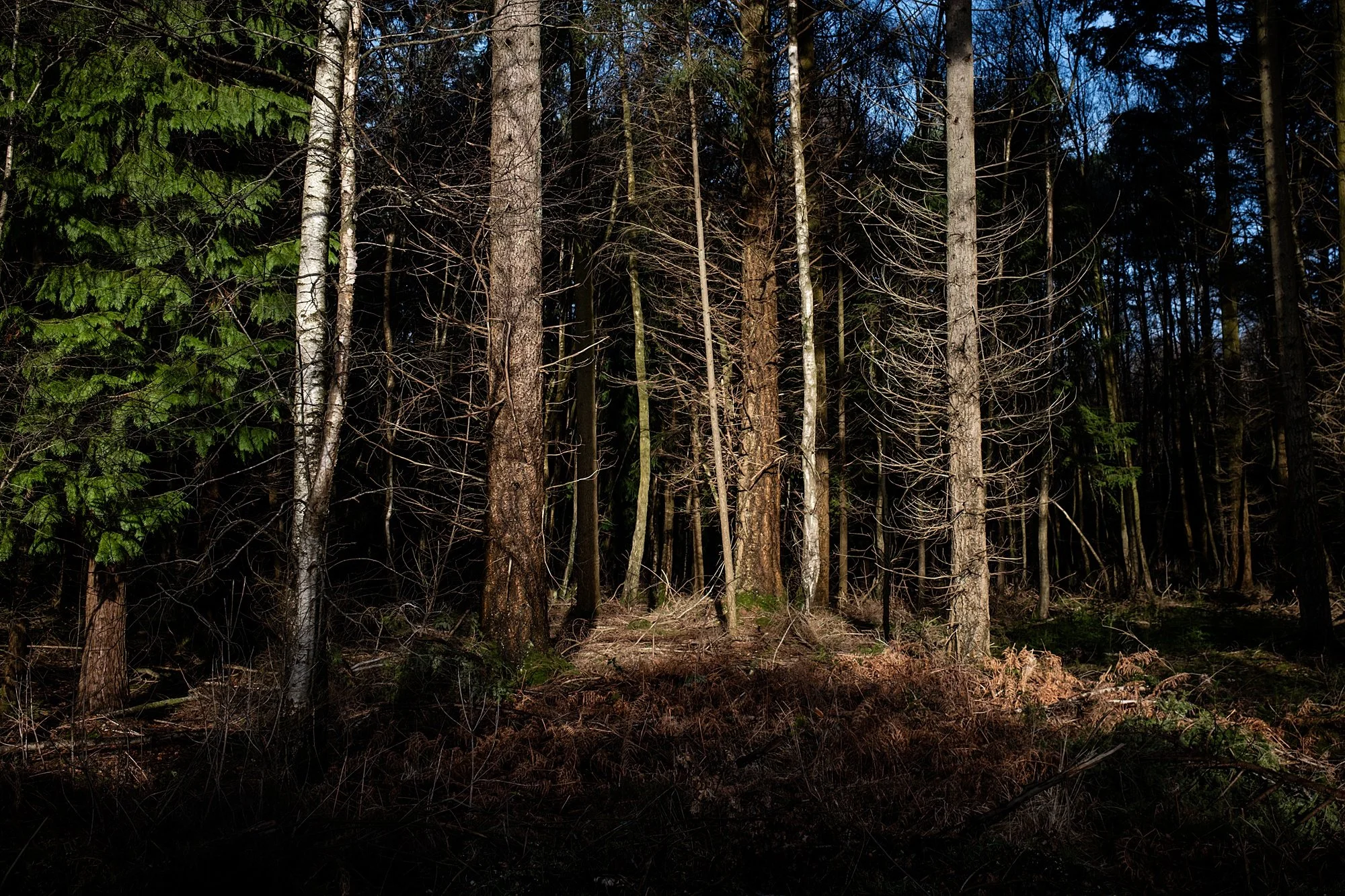
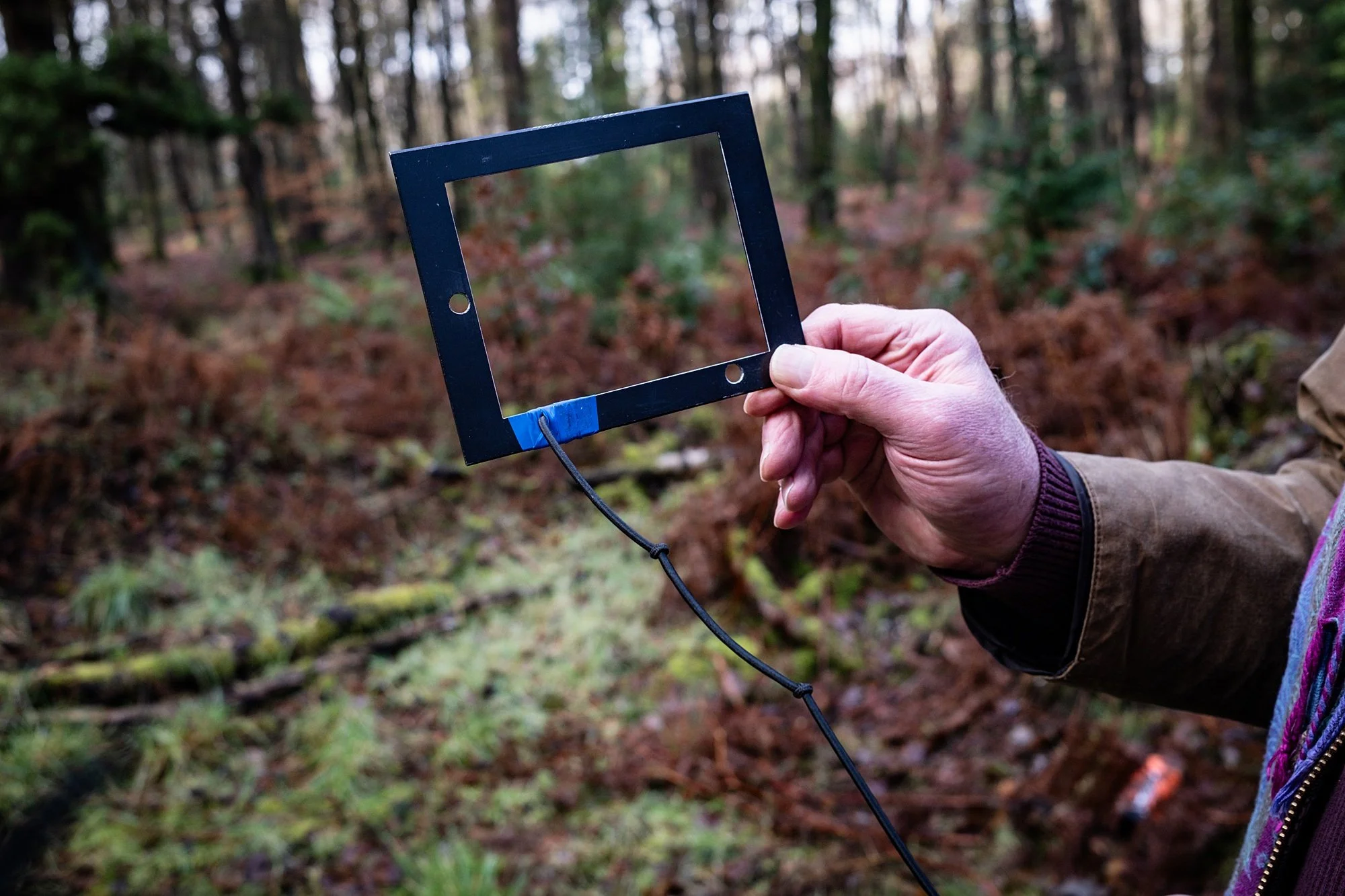
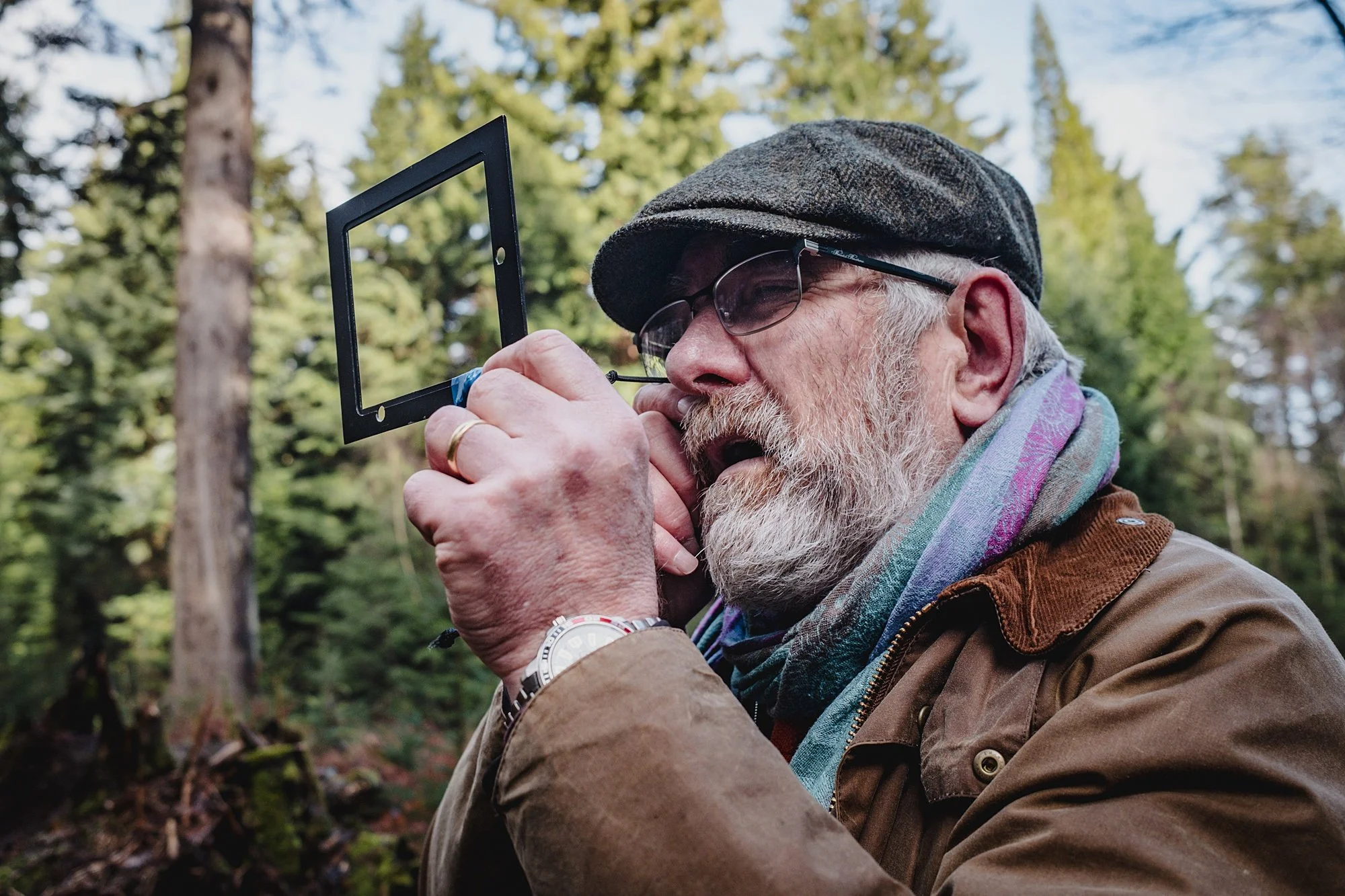
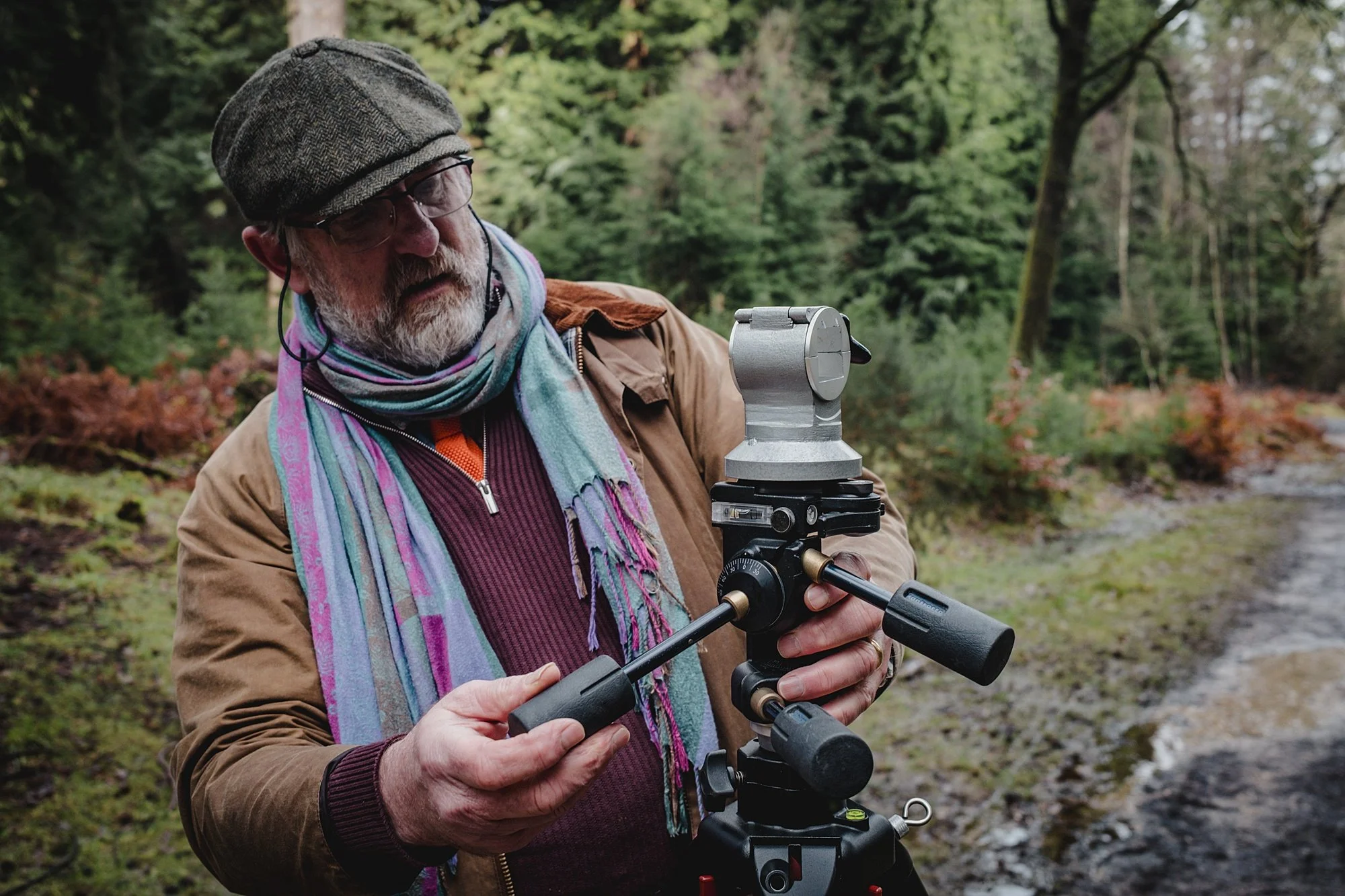
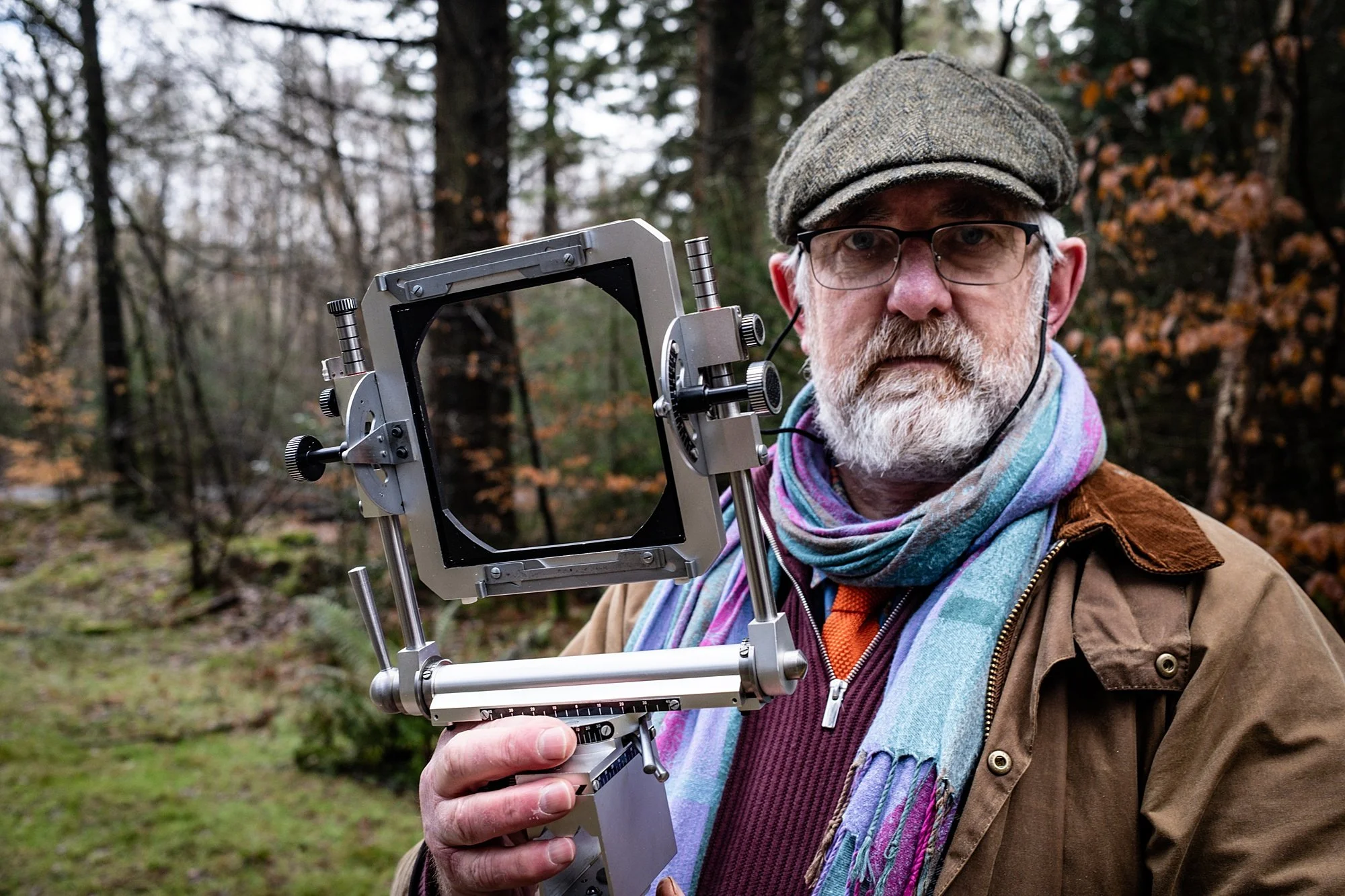
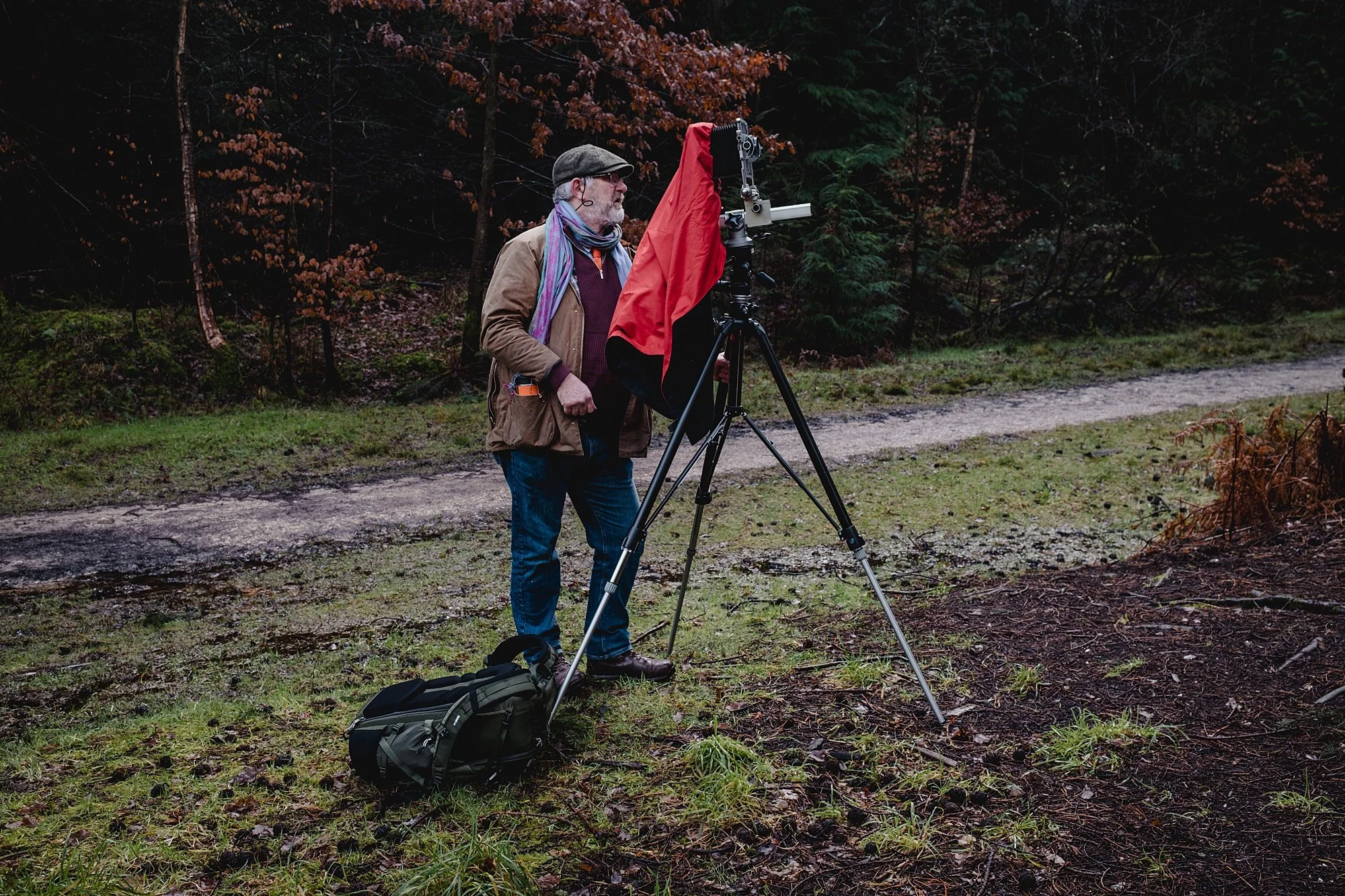
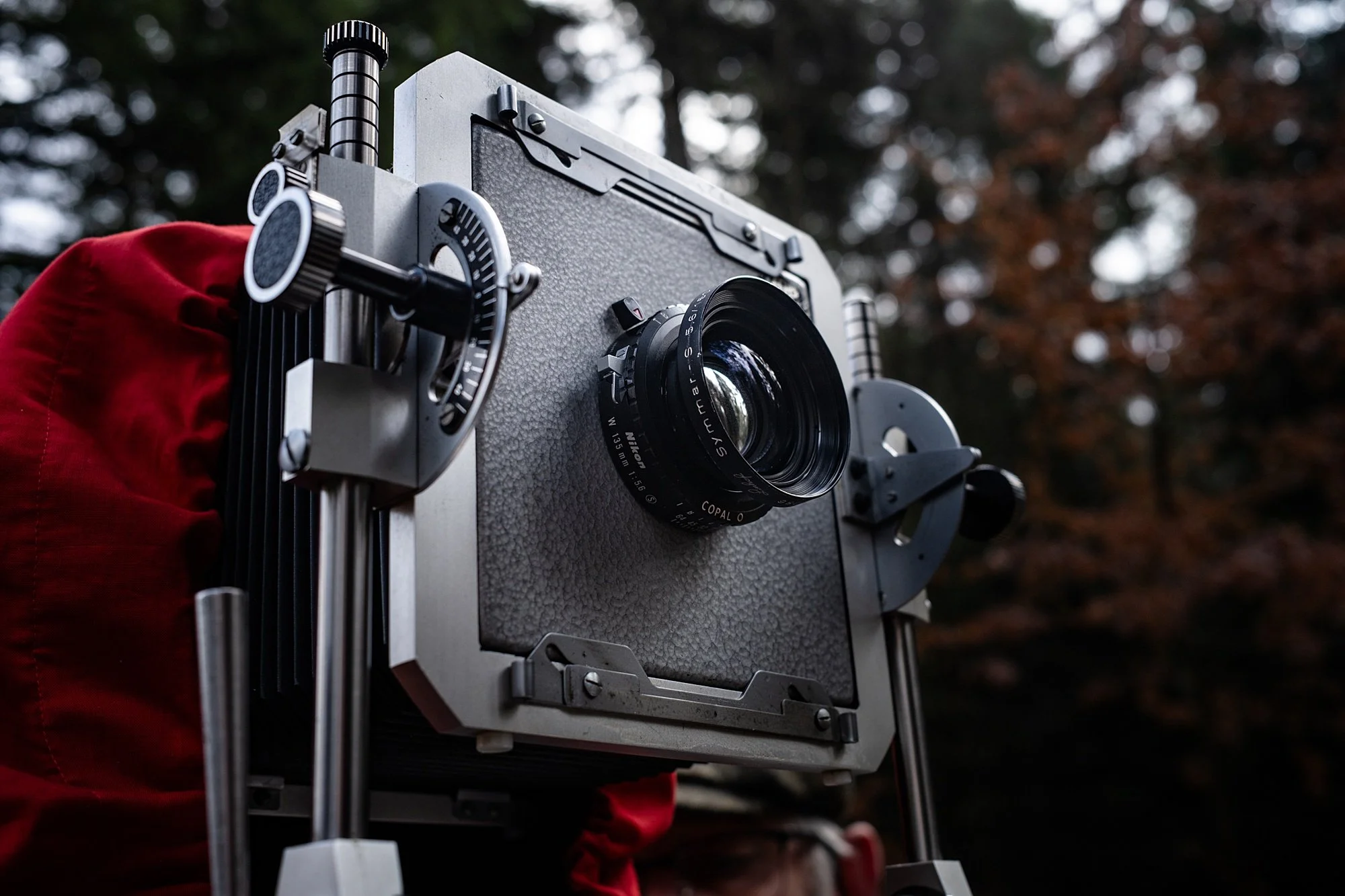
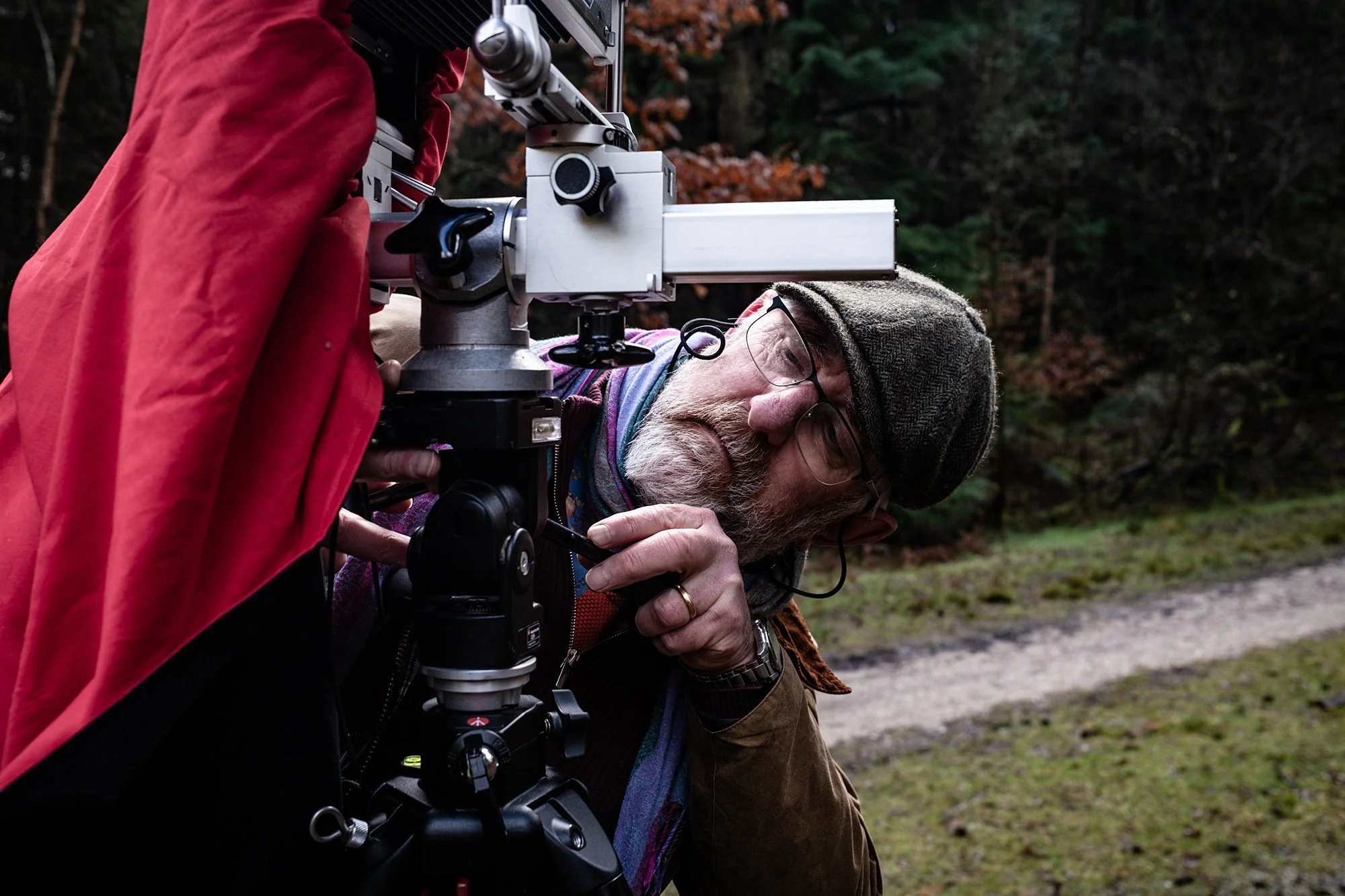
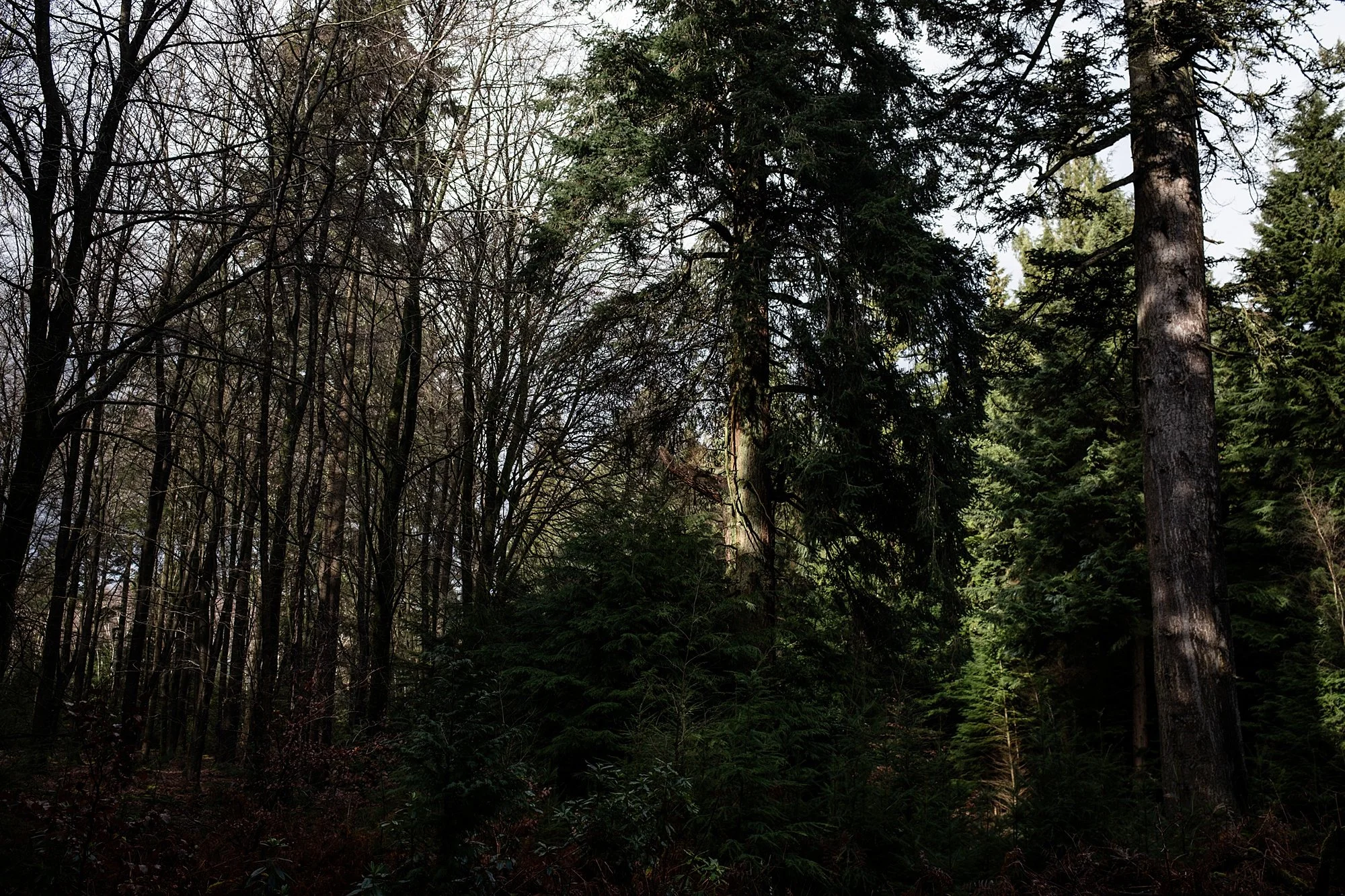
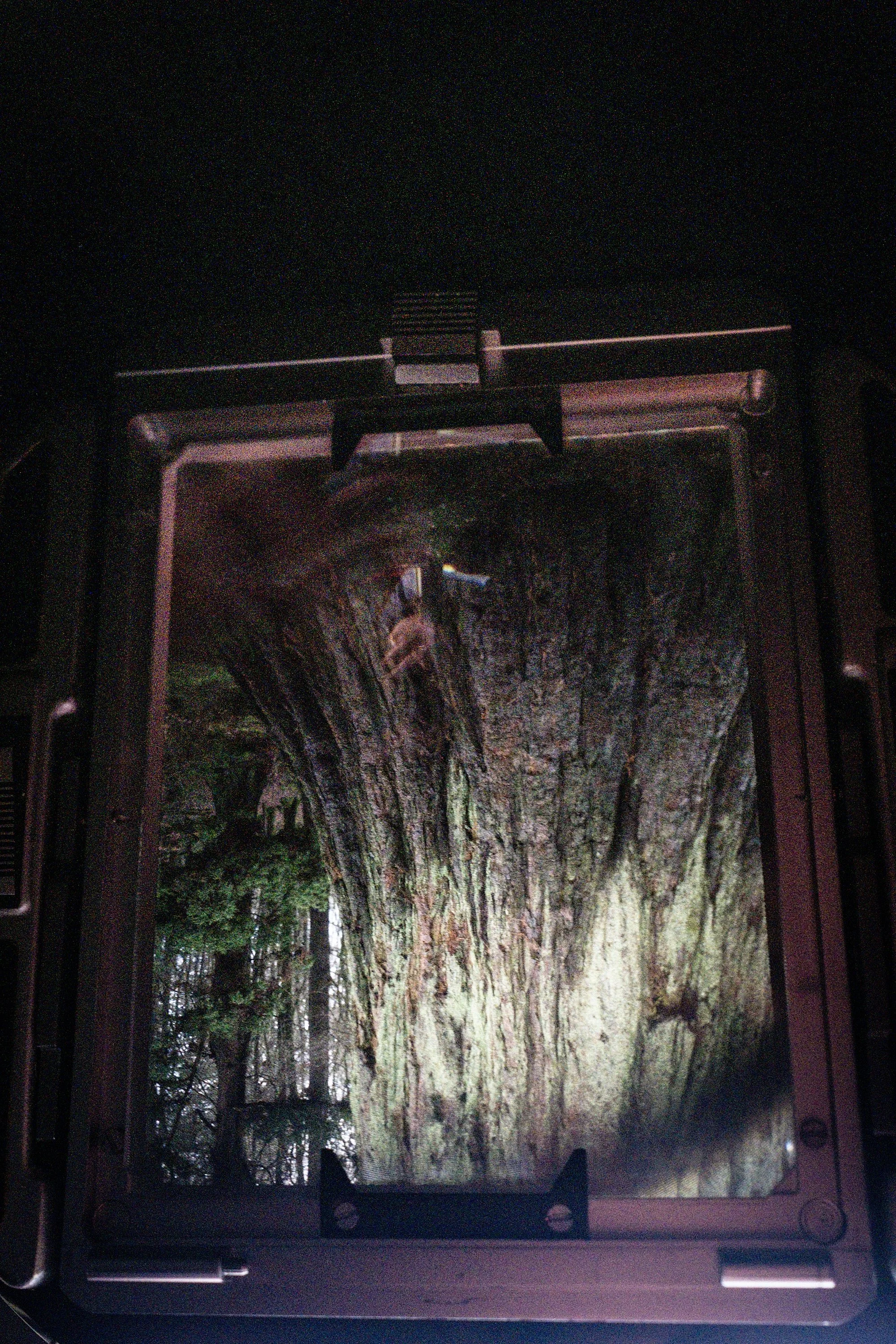
Photographs above and below, of Giles Penfound at work, as the show was made.
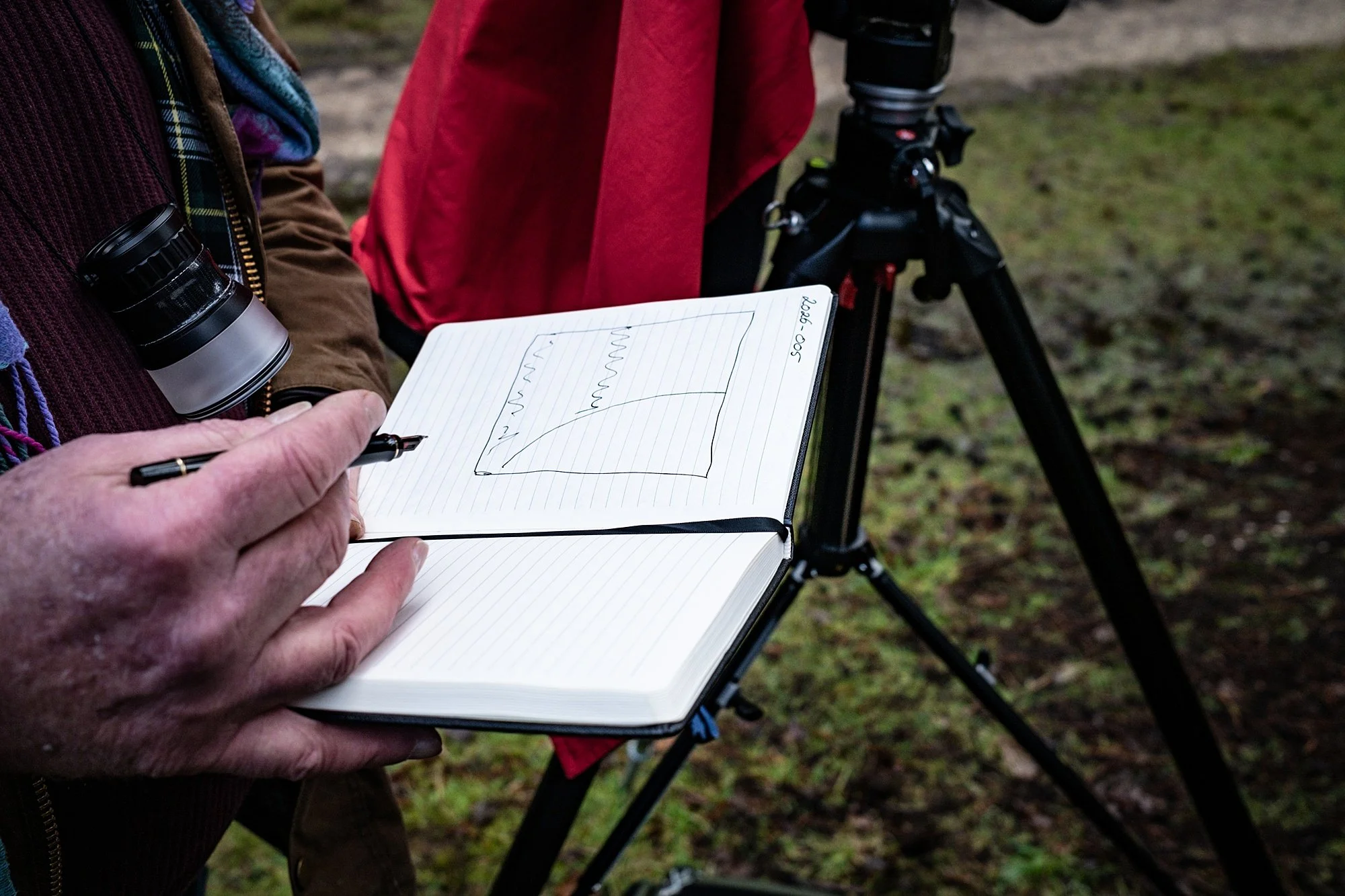
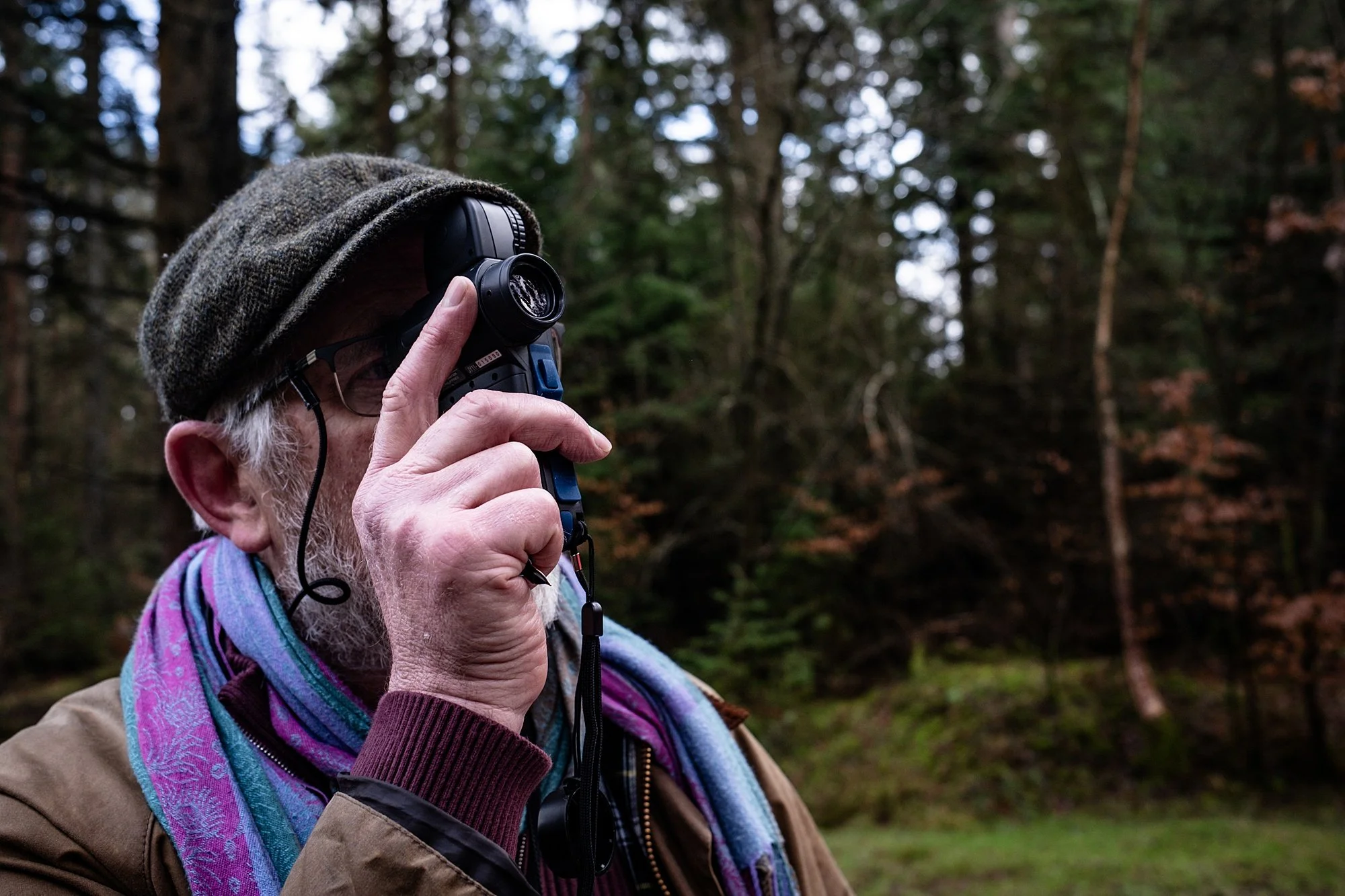
See Five by Four, Giles Penfound’s website.